
Identify the boundary of the request
At LockReach, we first establish which entrance the business controls. A tenant may be responsible for a suite lock while the manager controls a shared lobby or delivery entrance. We identify the door, its purpose and the authorized contact before changing hardware or keys. Private codes and detailed access arrangements can stay out of public messages.
Changing access is different from repairing movement
A missing key can create an access concern even when a lock works smoothly. A door that slams, fails to latch or needs lifting presents another kind of problem. Rekeying does not establish that the closing or latching fault has been corrected. Keep the desired access change separate from the mechanical condition so the proposal can explain how each concern will be addressed.
An entrance works as an assembly
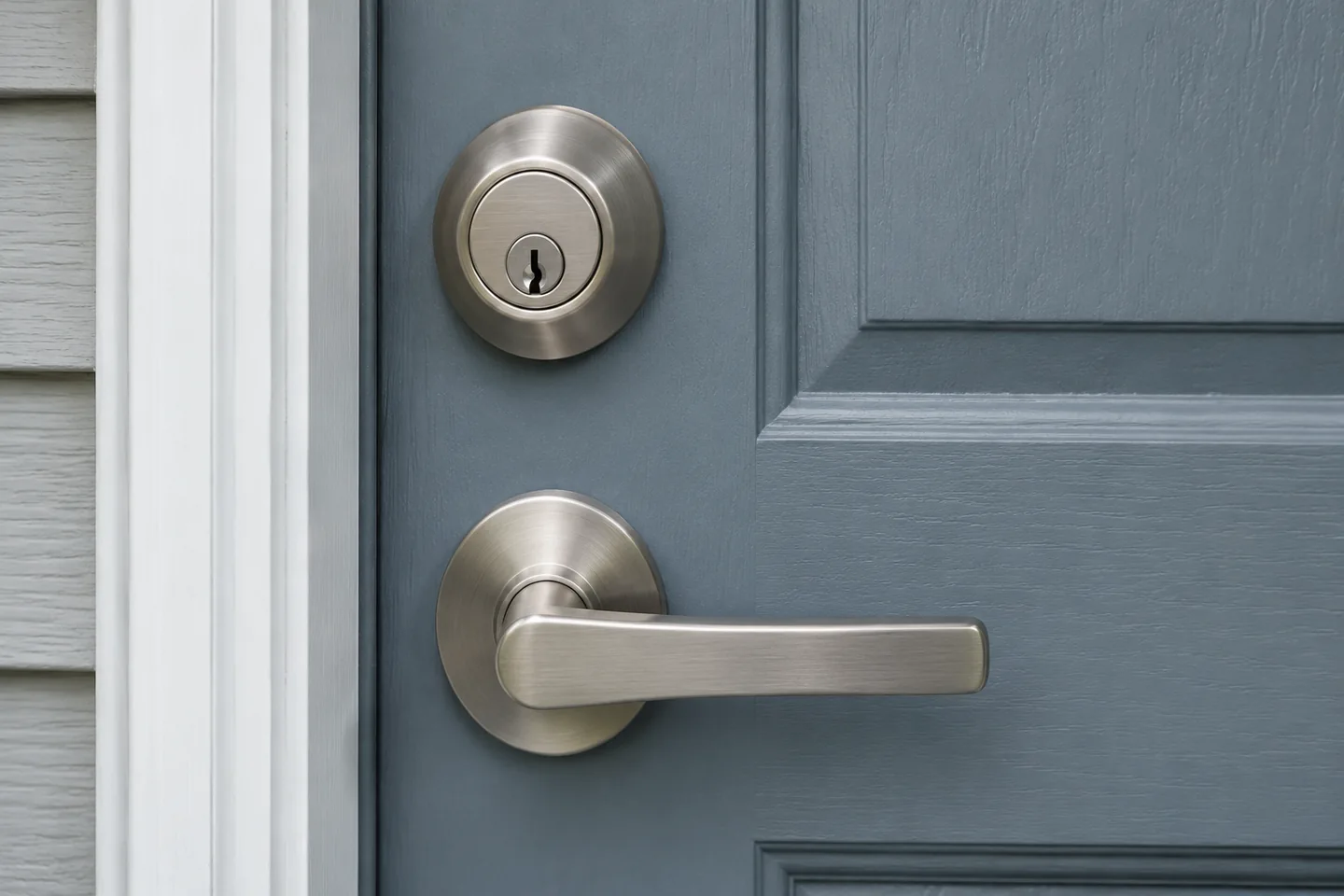
The handle, cylinder, latch and frame have to work together. Other installed equipment can affect the door's operation as well. A visible brand name on one part does not identify everything in the opening. Describe the symptom and any known changes; leave the selection of compatible hardware to the assessment. Replacing one part by appearance alone can miss the reason the door is unreliable.
Make the key arrangement understandable
A useful key plan identifies which doors should share access and where access should remain separate. The plan can be simple without treating every key as interchangeable. Existing master-key arrangements need to be understood before changes are proposed. Don't assume a new cylinder will fit an earlier key system just because it fits the door. Keep any retained key records with the responsible manager.
Avoid making assumptions about regulated hardware
The purpose of an entrance can affect the work that is appropriate. Required exit operation, accessibility and other project requirements need to be considered by the responsible professionals. This page does not establish a compliance assessment or authorize changes to exit hardware. If a door is part of a managed building, include its management team before treating the job as an ordinary house-lock replacement.
A useful work description has edges
Our proposal identifies the entrance, intended result, retained parts and included work. If the key change is part of a larger building project, we keep those responsibilities clear. We agree the access arrangement and repair scope with the authorized contact before the work proceeds.
A clearer result starts
with the right distinction.
Can a tenant change the shared entrance lock?
Confirm responsibility and authorization with the owner or manager before arranging changes.
Does rekeying repair a closing problem?
Not by itself. A changed key and reliable closing are different results to assess.